Blog
Blog
Free · No credit card · Set up in 2 minutes
Latest Articles
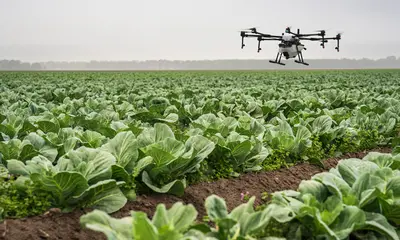
Fertilizer Use Efficiency: Where Unused N, P and K Go
Cereal crops take up only 35–45% of the nitrogen applied in a season, and 10–25% of the phosphorus. But the missing shares are not the same problem. Most lost nitrogen leaves the field for good, while most "lost" phosphorus stays in the soil for later crops. This guide gives recovery rates by nutrient and crop, traces where the rest goes, and ranks each management lever separately.

Women Farmers’ Access to Credit: Beyond Land Title
Women farmers get less credit mainly because lenders ask for land as collateral, and land titles are usually in men’s names. Lending practices then widen the gap. But women repay as well as men or better. This post separates the structural barrier from the bias, then compares four credit models on repayment and uptake data, with a worked storage-loan example.
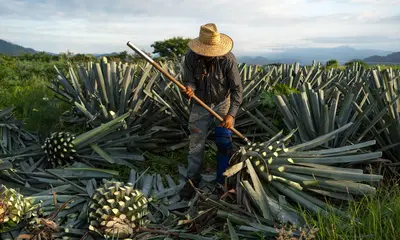
When to Terminate Cover Crops: Pick the Job, Then the Date
Most cover crop losses do not come from choosing the wrong species. They come from the right species killed too late, when it keeps using water and nitrogen the next crop needs. This guide matches four common species to four jobs, gives a termination window for each, and shows with real numbers what a late kill costs in stored soil moisture and nitrogen.
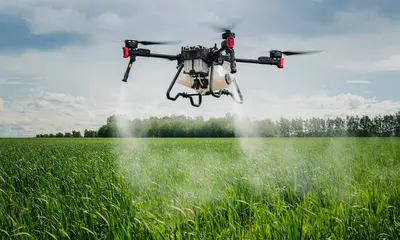
Economic Threshold Level: When Spraying Actually Pays
Most published spray thresholds are quoted as if they were biological facts. They are price ratios. This guide gives the action thresholds for the major pests of maize, rice, cotton and vegetables, the scouting protocol behind a count you can act on, and a worked example showing how crop price, spray cost and spray efficacy each move the number you should be spraying at.
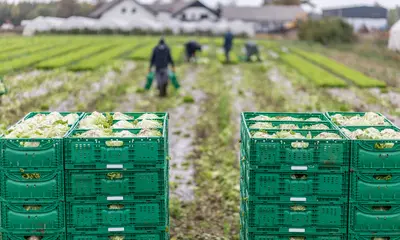
Farm Labour Bottlenecks: How to Plan Around Peak Weeks
Most smallholder farms do not run short of labour across the whole season. They run short in two to four specific weeks, and those weeks decide the harvest. This guide gives output per labour day for land preparation, weeding and harvest across hand, animal and mechanised systems. It then shows where the peaks fall by cropping calendar, and what staggering, sequencing and selective mechanisation cost.

AI Agronomy Tool: 4 Tests It Knows Your Field
Most evaluations of farm advisory software test whether the answer sounds correct. That is the wrong test. The better one is whether the answer changes when the field changes. This is a four-part buyer's test an agronomist can run in an afternoon, using questions where local conditions must move the number, plus a worked example showing what a generic recommendation costs per hectare.
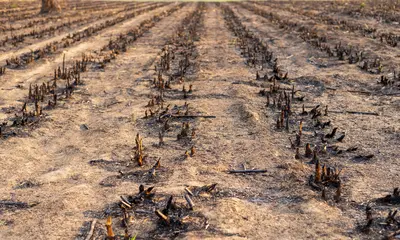
Index Insurance vs Indemnity: Which Pays Your Loss?
Two crop insurance designs answer the same question in opposite ways. Indemnity insurance pays after an adjuster measures the loss on your field. Index insurance pays when rainfall, area yield or satellite data crosses a threshold, whatever happened on your land. One is accurate and slow; the other is fast and approximate. This guide shows exactly how each triggers, what proof each demands, and which losses each one actually covers.
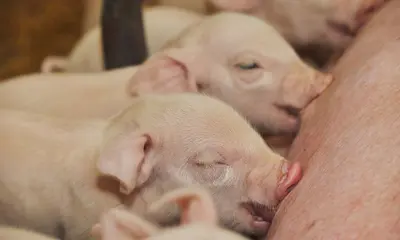
Raising Pigs Efficiently, From Piglet to Market Weight
Feed is roughly two-thirds of the cost of producing a pig, so most farms watch feed conversion in the growing barn. That is the wrong number. The ratio that decides profit is whole-farm: every kilogram of feed the operation buys, divided by every kilogram of live weight it sells. Here is what trial data from Europe, the Americas and Asia says about what actually moves it.
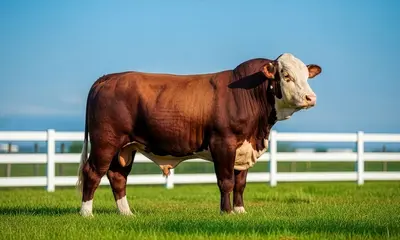
Raising Healthy Beef Cattle: What Drives Weight Gain
Cattle usually stop gaining weight while the paddock still looks full. The limit is rarely the amount of grass standing in front of them — it is whether that grass still carries enough nitrogen to keep the rumen working. That distinction reorders almost every decision in a beef enterprise, and it explains why the finishing date is set in the worst season of the year rather than the best one.