Blog
Blog
Free · No credit card · Set up in 2 minutes
Latest Articles
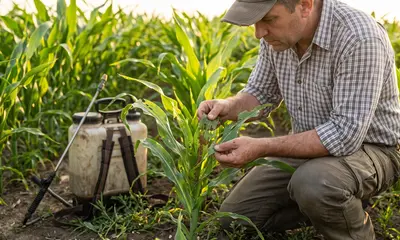
Farm Grant Eligibility: A 10-Minute Screening Checklist
Most farm grant applications are decided before an evaluator reads the project. This guide shows how to screen any grant call in ten minutes by reading it in the order the funder does: eligibility, then scoring weights, then co-financing and reimbursement rules. It includes a worked cash-flow example and a checklist of the disqualifiers that are cheap to fix before the next call opens.

Farm Credit Access: What Lenders Check, in Their Order
Lenders approve what an application can prove. Agricultural lenders assess eligibility, repayment history, cash-flow capacity, equity and collateral in a predictable order. This guide follows that order, shows how to test a loan's debt service coverage ratio before the lender does, and lists the documents that prevent the most common, and most fixable, refusals.
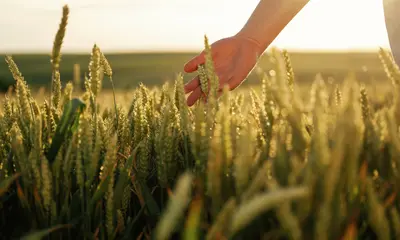
Yield Gap Analysis: Measure It, Then Rank the Causes
Yield gap analysis compares the yield you harvested with the yield your rainfall and soil could support, then ranks the causes of the difference. This guide shows how to estimate water-limited potential for one field with free rainfall and soil data, works through a wheat example, and explains the boundary-line method that ranks causes by size rather than by how visible they are.

Machinery Cost Benchmarks: When Owning Beats Hiring
How many hectares does a combine, planter or tractor need before owning beats hiring? This guide gives breakeven benchmarks from 2025 University of Illinois costs and Iowa custom rates, shows how interest rates and used-machine prices shift them, and explains why a late contractor changes the answer most for planting. Includes a worked example and evidence from India, Ghana and Sweden.
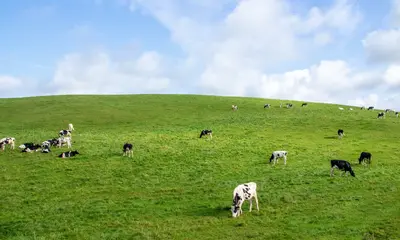
Rotational Grazing Stocking Rate: What the Evidence Supports
Most rotational grazing advice starts with paddock numbers. The evidence says to start with grass growth. This guide shows how to set the rest period from leaf stage, canopy height or growing season, and the stocking rate from measured forage, on temperate pasture, tropical grass and semi-arid rangeland. It also separates the claims that controlled trials support from those they do not.
Farm Management Software: 6 Tests Before You Pay
Most farm management software is not dropped for missing features. It is dropped because nobody keeps entering the data. This buyer's checklist gives six pass/fail tests to run during a free trial, covering typing time, offline use, data export, language, integration and exit terms, plus a worked example of what the software must save to pay for itself.
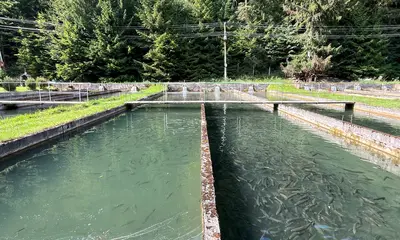
Fish Pond Stocking Density: Tilapia and Carp Oxygen Limits
Most smallholder fish ponds do not crash because of the number of fish. They crash because the daily feed and fertiliser load grows an algae bloom that uses more oxygen at night than it makes by day. This guide gives tested stocking rates, oxygen thresholds and feed conversion ratios for tilapia and carp, field tests that need no laboratory, and the signs that appear 48 hours before a kill.
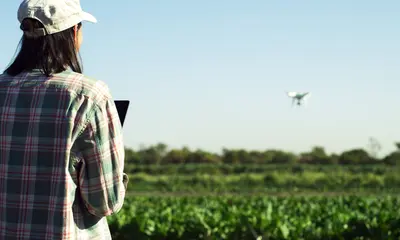
Drone Crop Scouting: What It Sees That Walking Misses
A drone flight shows every square metre of a field at once, so patterns of water stress, nitrogen deficiency and spreading disease appear before a walking scout would cross them. But imagery shows where a field is changing, not why. This guide covers what drones catch earlier, what they miss, the flight settings that make imagery usable, the rules in five regions, and when processing costs are repaid.
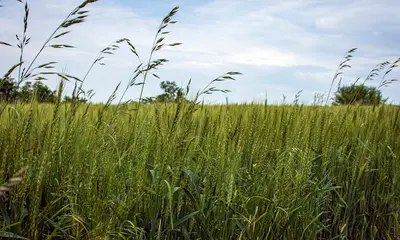
Cover Crop Termination Timing: Match the Kill to the Job
Choosing a cover crop and choosing its kill date are one decision, not two. Pick the species for a single job — nitrogen, compaction relief, weed control, or grazing — and that job sets the termination window. Cereal rye usually needs an early kill before maize; hairy vetch gives the most nitrogen when killed late. This guide gives the windows and the cost of a late kill in water and nitrogen.