Blog
Blog
Free · No credit card · Set up in 2 minutes
Latest Articles
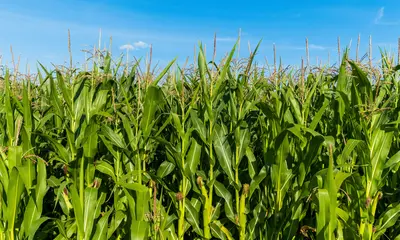
How to Increase Corn Yield: Four Critical Stages
Most corn yield is decided in four short periods, and none of them can be repaired afterwards. Unlike wheat or soybean, corn has one ear per plant and no way to compensate for a poor start. This article walks through planting, stand establishment, nitrogen timing and the silking window, with the numbers behind each decision and a worked nitrogen example.
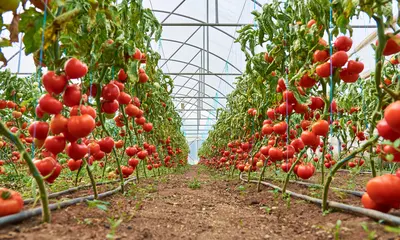
Tomato Diseases: How to Identify and Prevent Them
Most tomato disease losses do not come from failing to name the pathogen. They come from naming it correctly at a moment when nothing can be done. This guide covers the tomato diseases that matter most worldwide, the field signs that separate them, and the far more useful question behind every diagnosis: is this a spray decision, or a next-season decision?
Regenerative Agriculture Has a Definition Problem
Regenerative agriculture has no single agreed definition. In journals, certification schemes, and corporate sourcing programs, the term means different—sometimes conflicting—things. That inconsistency is not a communication problem. It traces directly to how the definitions are built, and it shapes what farmers get paid for.
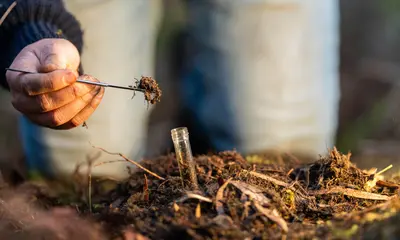
The Five Principles of Soil Health: What the Evidence Says
The five principles of soil health — minimize disturbance, keep soil covered, keep living roots, maximize diversity, and integrate livestock — have shaped farm advice worldwide. They are a useful starting point. But a growing body of field research shows they behave less like universal laws and more like context-dependent tools. Some hold almost everywhere; others reverse in the wrong climate or system. Knowing the difference matters.
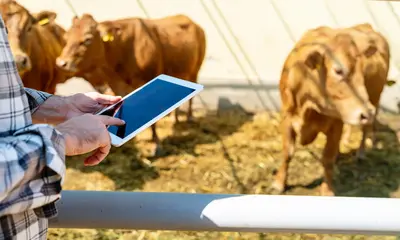
Farm Record Keeping: What the Data Says It's Worth
Record keeping is usually pitched as discipline: a virtue farmers should practice. The evidence says something more useful. Farms that keep records earn measurably more per hectare — but only when the records feed decisions during the season, not a folder at year-end. Here is what the studies actually found, and which four records do the work.
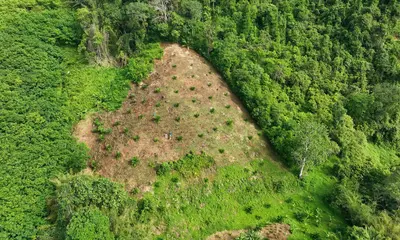
Soil Health Restoration: A Practical Guide for Farmers
Healthy soil is the quiet engine behind every harvest — and roughly a third of the world's is already worn down. This guide breaks down what soil health restoration really involves, the practices that work, the trade-offs to expect, and how farmers from Brazil to India are rebuilding their fields one season at a time.
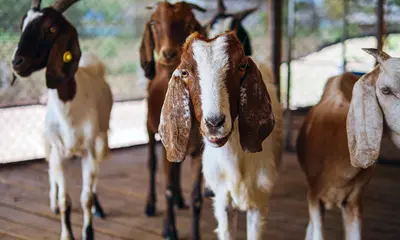
Goat Recordkeeping: A Practical Guide to Smarter Herd Decisions
A small herd of goats is often a family's savings account, insurance policy, and grocery store combined. Yet many farmers manage it entirely from memory. This guide covers what to record, the challenges that get in the way, and simple, proven habits that turn everyday notes into better breeding, health, and financial decisions.
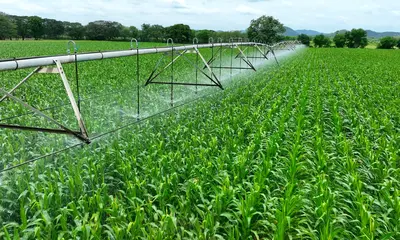
Water Management for Farmers: Irrigation Methods That Work
Water is the single largest input on most farms, and the way you manage it shapes yields, costs, and resilience. This guide walks through the main irrigation methods, how to match them to your land and crops, and the low-cost habits that stretch every drop further—so you can make better decisions season after season.

The Best Agricultural Conferences in 2026: A Global Guide
Every year, thousands of farmers, researchers, and agribusinesses gather at agricultural conferences around the world. Some spark ideas that reshape a farm; others are built for investors, not growers. This guide breaks down the best agricultural summits of 2026 — where they happen, what they cost, and what to expect — so you can decide which, if any, deserves a place on your calendar.