Blog
Blog
Free · No credit card · Set up in 2 minutes
Latest Articles
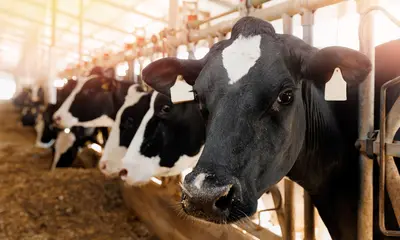
How to Increase Milk Production in Dairy Cows
Most advice on raising milk yield starts with the ration. The measured evidence points somewhere else: to dry matter intake, and to the four things that quietly limit it — feed delivery, water, heat load, and the weeks around calving. This guide ranks the feeding and health practices by their documented effect on yield, with figures from Kenya, Brazil and North America, and one worked example.
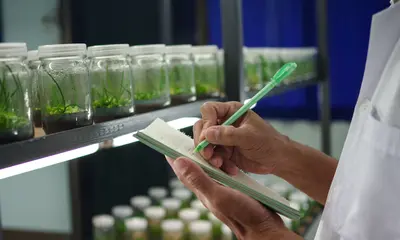
On-Farm Research Trial Design: Is the Yield Gain Real?
A four-bushel yield gain is the most common claim in on-farm research and the hardest to defend. Most trials that report a 3–5% difference cannot statistically distinguish it from background field variation. This guide covers the replication math, strip width constraints, and yield monitor cleaning steps that decide whether your result holds up — and explains why the fix is usually more fields, not more strips.
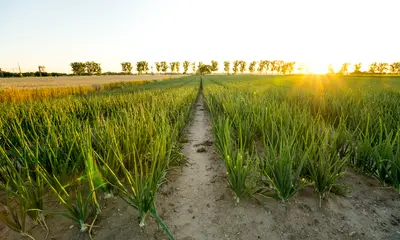
How to Grow Onions: Bulb Size and Storage Life
An onion does not decide when to start forming a bulb. Daylength decides for it, on a date the farmer cannot move. That single fact splits the onion season into two halves with two different jobs: everything before that date sets how large the bulb can become, and everything after it sets how long the bulb will keep. Here is what field trials from New Zealand, Portugal, Argentina, India and the United States show about each half.
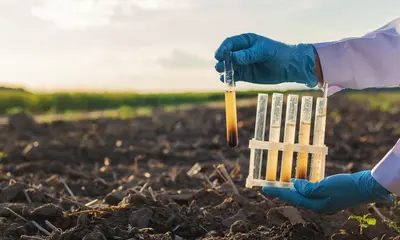
Soil Test Interpretation: Why Labs Disagree on P Rates
Two laboratories can receive the same soil sample and return phosphorus recommendations that differ by more than 50 kilograms of P₂O₅ per hectare. Neither is wrong. The difference comes from three separate decisions layered on top of the measurement: which chemical extractant was used, which calibration philosophy the system follows, and which yield assumption sets the maintenance rate.
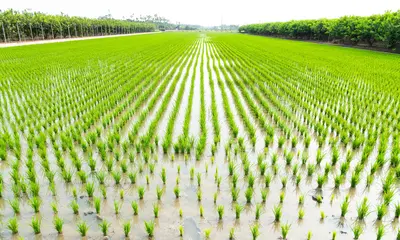
Rice Water Management by Growth Stage: Yield and Quality
Rice tolerates repeated drying for much of its life. What it does not tolerate is drying too deep, or drying at two specific moments. A 2017 UC Davis meta-analysis found the same irrigation practice either cost nothing or cost more than a fifth of the crop, depending on one soil-moisture threshold. Here is what each growth stage demands, and where yield and milling quality part ways.

Digital agricultural extension effectiveness (RCT evidence)
Digital advice changes what farmers buy. It changes yield much less, and measured income least of all. That pattern holds across randomised trials covering hundreds of thousands of farmers in East Africa, India and West Africa. The useful question is not whether digital extension works, but which part of it works — and the answer is not the part most programmes plan to invest in.
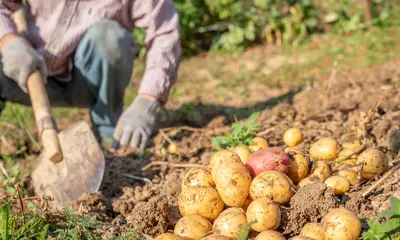
How to Increase Potato Yield, From Seed to Storage
Potato yield is decided by how many days a healthy canopy stays green. That single idea explains why degenerated seed, late blight, badly timed irrigation, and storage rot all cost yield in the same way — they cut canopy days or destroy what those days earned. Here is what the research from Ethiopia, Kenya, Europe and North America shows about which losses cost the most, and what to do first.

Agricultural Cooperative Member Retention: Beyond Price
Cooperatives compete on price because price is easy to measure. But the research on side-selling points somewhere else: members leave over trust, payment timing, and whether anyone from the cooperative knows their fields. This article works through the published evidence, the agronomist-to-member ratios four large cooperatives actually disclose, and the arithmetic that tells you what your technical department has to prevent in order to pay for itself.
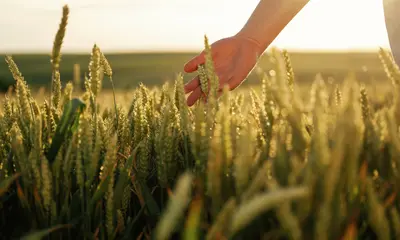
Wheat Yield and Quality: The Two Windows That Decide It
Wheat yield and quality are not decided across the whole season. They are decided in two short windows: the month around flowering, which sets grain number, and the weeks of grain filling, which set grain weight and protein. The practices that position a crop well for those two windows outperform almost everything else — and the most powerful of them costs nothing.